

Rhizosphere 4
Maastricht, the Netherlands · 21–25 June 2015
Advancing Soil Ecology Together
Rhizosphere 4 brought together researchers, academics, and professionals from around the world to explore the complex interactions between plant roots and soil. Hosted by the Center for Soil Ecology at the Maastricht Conference Center (MECC), the five-day programme spanned keynote addresses, parallel sessions, poster pitches, and roundtable discussions.
The conference opened on Sunday, 21 June 2015 with a reception and the first keynote address by Anton Hartmann of the Helmholtz Center Munich, who traced rhizosphere research from its 19th-century foundations through to present-day high-tech bioanalytical approaches.

Abstract Book
All accepted abstracts from the conference are available in PDF format.
View Abstracts

Parallel Session Topics
Symbiosis
Convenors: Barbara Reinhold, Erik Limpens
Root Turnover
Convenors: Luke McCormack, Alexandra Weigelt
Nutrient Acquisition
Convenors: Hans Lambers, Jianbo Shen
Rhizosphere Microbiome
Microbial communities at the root-soil interface
Signaling
Chemical communication between roots and microbes
Climate Change
Rhizosphere responses to environmental shifts
Food-web Interactions
Trophic dynamics in the soil ecosystem
Human Pathogens
Pathogens in the rhizosphere environment
New Methods & Concepts
Innovative approaches in rhizosphere research
Below & Above Ground
Linking root processes to ecosystem function
Water Relations
Hydraulic dynamics at the root-soil interface
Root Endophytes
Fungal and bacterial endophytes of plant roots
Venue & Location
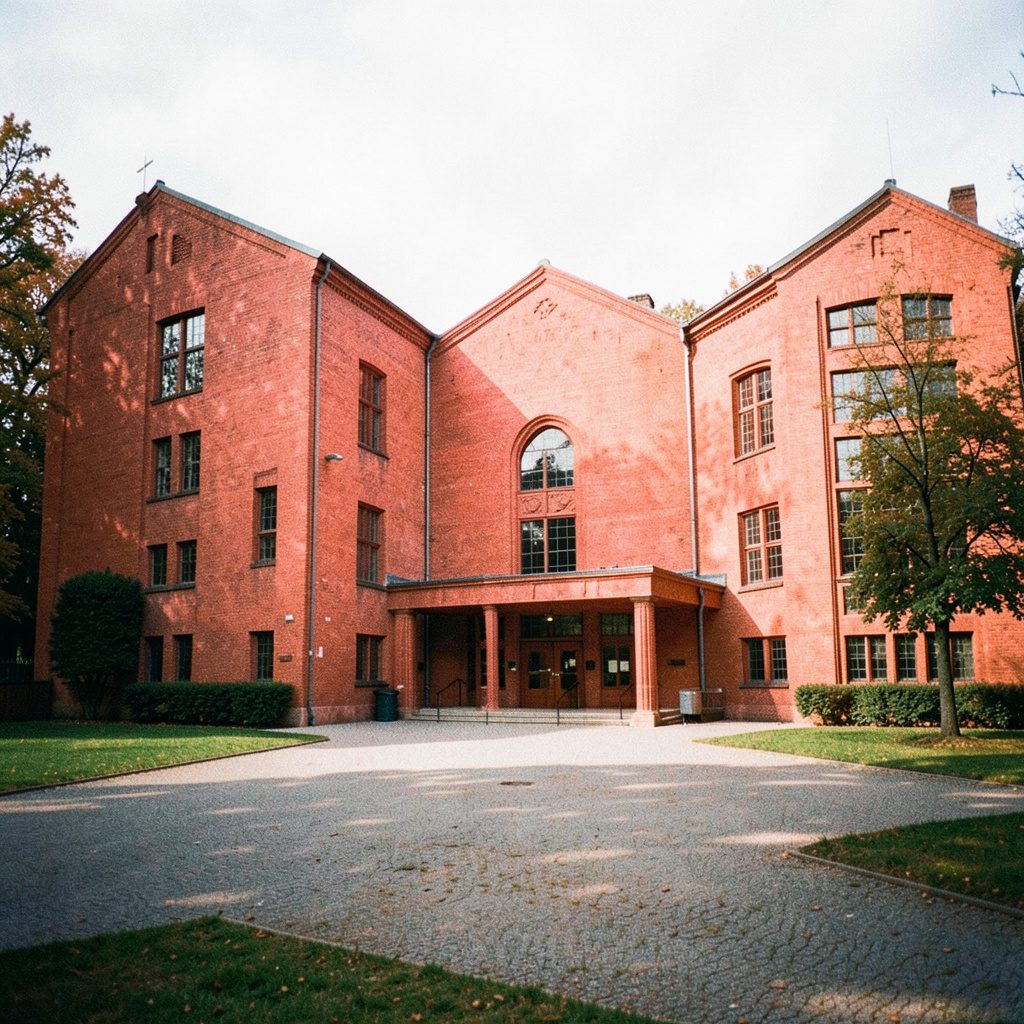
The conference was hosted at the Maastricht Conference Center (MECC), with excursions exploring the surrounding Limburg region.
Rhizosphere 4 Secretariat
P.O. Box 50, 6700 AB Wageningen, the Netherlands
Telephone: 0031 (0) 317 473466
Email: rhizo4@rhizo4.org
Submissions: submissions@rhizo4.org
The rhizosphere is the thin, dynamic zone of soil that clings to living plant roots, and it is one of the most biologically crowded places on Earth. Within a few millimetres of root surface, exudates of sugars, organic acids and amino acids feed vast communities of bacteria, fungi, protozoa and archaea. These microbes in turn influence how effectively a plant can acquire nutrients, tolerate drought and resist pathogens. Understanding this exchange has become central to modern soil ecology, because the health of terrestrial ecosystems depends less on the visible canopy than on what happens unseen beneath it.
Roots are far from passive anchors. They grow directionally, branch in response to nutrient patches, and release chemical signals that recruit helpful neighbours or warn of attack. Fine root hairs increase surface area enormously, and their turnover continually deposits fresh carbon into the soil, sustaining microbial activity season after season. Older root material becomes part of the organic matter that gives soil its structure, water-holding capacity and resilience. In this sense, every plant quietly engineers the ground it stands in, and the rhizosphere is the workshop where that engineering takes place.
Microbial diversity in the rhizosphere rivals that of many aboveground habitats. A single gram of root-adjacent soil can hold billions of cells spanning thousands of species, many of which have never been grown in the laboratory. Recent advances in DNA sequencing and imaging now let ecologists watch these communities assemble, compete and cooperate in remarkable detail. Researchers can trace which microbes are recruited under nutrient stress, how fungal networks link neighbouring plants, and how chemical dialogue shapes the outcome. Such tools are transforming a field once limited by what could be cultured on a plate.
The practical stakes of rhizosphere research are considerable. Soils underpin food production, filter drinking water, store carbon and recycle the nutrients that sustain life. As agriculture seeks to rely less on synthetic inputs, harnessing root-microbe partnerships offers promising routes to more efficient nutrient use and healthier crops. Cover cropping, diverse rotations and reduced disturbance all work partly by protecting the biological fabric of the rhizosphere. Likewise, restoring degraded land depends on re-establishing the belowground communities that make plant growth sustainable rather than merely possible for a season or two.
Conferences and collaborative gatherings play a vital role in advancing this hidden science. Rhizosphere research sits at the crossroads of microbiology, plant physiology, chemistry and ecosystem ecology, so progress depends on specialists sharing methods, data and ideas across those boundaries. Keynote talks, poster sessions and informal roundtable debates are where new techniques spread and where unlikely partnerships begin. A community that meets regularly around a shared fascination with soil life keeps the field curious, rigorous and open, carrying our understanding of the ground beneath our feet steadily forward.