
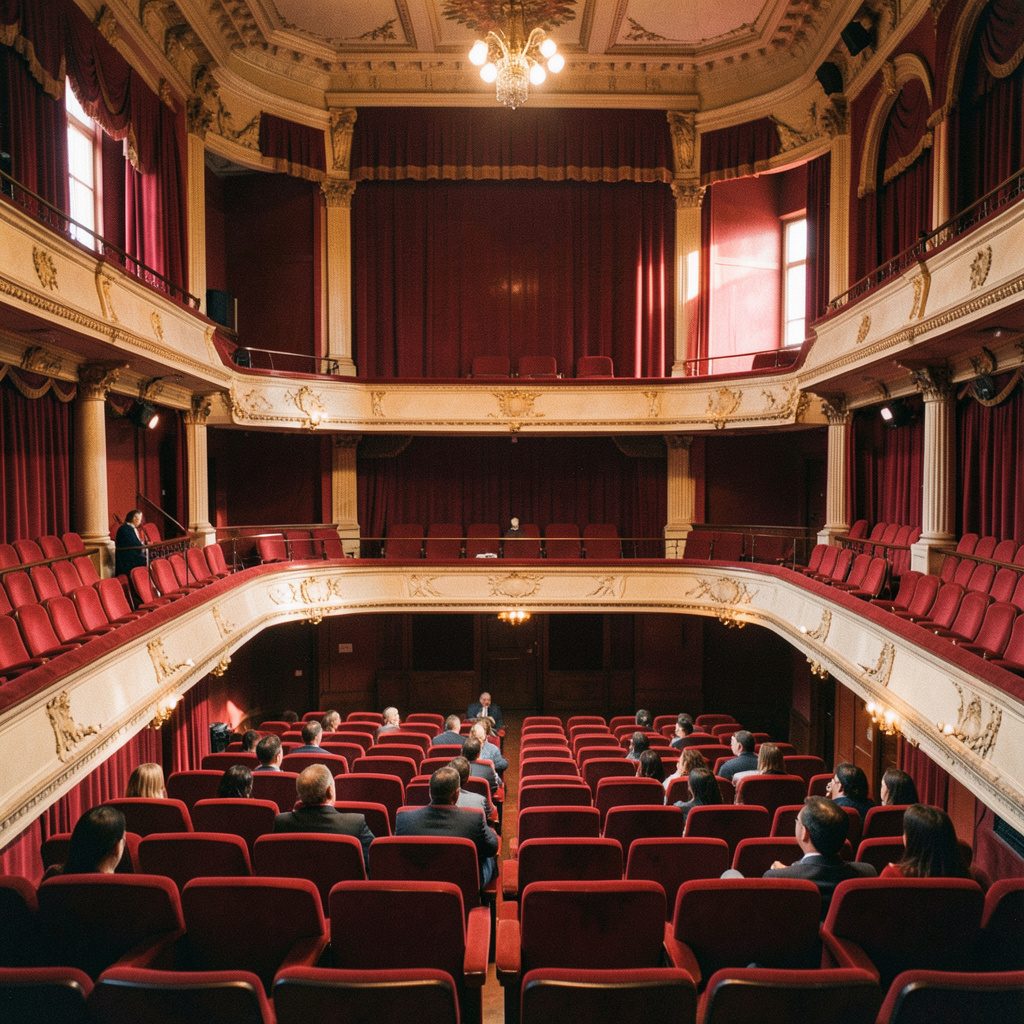
Maastricht Conference Center
Rhizosphere 4 was hosted at the MECC in Maastricht, the Netherlands, from 21 to 25 June 2015.
The conference venue
All plenary sessions, parallel sessions, poster pitches and roundtables of Rhizosphere 4 took place in the Maastricht Conference Center (MECC), a large congress facility in the southern Dutch city of Maastricht.
- Event: Rhizosphere 4 — soil ecology and rhizosphere research.
- Dates: 21–25 June 2015.
- City: Maastricht, the Netherlands.
- Venue: Maastricht Conference Center (MECC).

Getting there
By air
Maastricht sits in the south of the Netherlands, close to the Dutch–Belgian–German border region, with regional airports and onward ground transport commonly used by conference travellers.
Rail and road
The city is served by Dutch rail connections and by road links from within the Netherlands and from neighbouring Belgium and Germany; the MECC is reachable from the city centre.
Staying in Maastricht
Registration information for the 2015 event included accommodation guidance for attendees travelling to the conference.
Exploring the region
Beyond the scientific programme, the Rhizosphere 4 social programme offered excursions during the conference, alongside the conference dinner — an opportunity to see Maastricht and its surroundings with fellow participants.
Practical note. Delegates needing formal documentation for travel could request a visa invitation letter through the Rhizosphere 4 Secretariat; general enquiries went to rhizo4@rhizo4.org or +31 (0)317 473466.
The choice of Maastricht as the host city for this gathering reflected the region's deep agricultural and ecological roots, set against a landscape shaped by centuries of human interaction with the soil. The conference center itself provided a spacious, modern environment where researchers from across the globe could share findings on the complex relationships between plant roots, soil microorganisms, and the surrounding environment. Attendees moved between sessions housed in large, adaptable halls designed for both intimate roundtable discussions and expansive plenary presentations, all under one roof. The facility's layout encouraged spontaneous conversation and collaboration, reinforcing the conference's emphasis on interdisciplinary exchange within the rhizosphere research community.
Getting to Maastricht from international destinations was straightforward, with the city well-connected by rail and air to major European hubs. The conference center sat within easy reach of the historic city center, allowing participants to explore Maastricht's distinctive blend of Dutch and continental European character. Between sessions, attendees could walk along cobbled streets past centuries-old architecture, or gather in cafes and public squares that reflected the city's relaxed, welcoming atmosphere. This proximity between the modern conference venue and the old town created a pleasing contrast, mirroring the conference's own bridging of cutting-edge soil science with the timeless, fundamental processes occurring beneath our feet in the rhizosphere.
Beyond the formal program, the venue itself became a living laboratory for the ideas presented within its walls. The surrounding region offered glimpses into the very soil systems under discussion, from agricultural fields to river floodplains and forested hillsides. Attendees were reminded that the rhizosphere extends far beyond the laboratory or the pot experiment, into real landscapes shaped by climate, cultivation, and conservation. This sense of place enriched the conference experience, grounding abstract scientific concepts in tangible, observable environments. The choice of Maastricht was never merely logistical; it was an invitation to consider how place, history, and ecology intersect with the invisible but vital networks thriving in the soil.